Across the body, the culture, and the page, the same question underneath: who a system is built for, and who it leaves out.
HealthThe body & its economics
01 · Bodies · Research integrity
FemTechnology
A women's health intelligence, research, and convening platform built to close the gender data health gap.
I started FemTechnology while studying medicine at ETH Zurich, after seeing how often evidence, diagnostics, and innovation pipelines still treat the male body as the default. FemTechnology translates that blind spot into the language institutions act on: clinical evidence, economic cost, workplace productivity, payer risk, policy, and AI governance.
What began as my thesis became the first FemTechnology Summit: a global convening on sex-specific medicine that drew 700 people from 36 countries. The next edition grew to 1,500 people across 60 countries. The third became an invite-only summit at Roche's global headquarters in Basel, convening 150 innovators across women's health, AI, clinical care, biotech, pharma, and research.
Today, FemTechnology spans three connected layers: convenings that bring decision-makers into the same room, research that makes the missing data visible, and ORI, the intelligence layer designed to help women navigate care while identifying the barriers and blind spots shaping their health journeys.
Pathway failure is correctable. The cost of the gender health gap is generated by a miscalibrated clinical pathway, not by female biology.
The intelligence layer between patients and systems. ORI translates clinical-pathway failures into the downstream fiscal costs institutions act on. It organizes symptoms, history, risks, and lived context into evidence-aligned care pathways, and captures the exact barrier data where care breaks down.
Pathway blueprint
Maps misdiagnosis, delays, and downstream economic leakage condition by condition.
Care shortcuts
Connects clinical-pathway failures to exact billing-code and reimbursement modifications.
Taste is how we find each other. Trust is the rarest currency.
An intelligence layer for live experiences, capturing the taste, trust, rituals, and relationships that events usually lose. Troviii turns real-life recommendations into measurable word-of-mouth: share what you love, connect through shared taste, and earn when your recommendations convert.
Word-of-mouth OS
Maps the products, objects, and conversations communities actually cluster around.
Taste graph
Turns connections and implicit trust recommendations into measurable commerce maps.
A story is not only something you read. It's a place you want to enter, a mood you want to stay inside, an object you want to own, a room you want to recreate, a ritual you want to repeat.
Vivere turns stories, creators, places, and archives into immersive worlds. Books, films, hotels, museums, fashion collections, cities, and personal mythologies can all become explorable systems: part narrative, part commerce, part memory palace.
Read / stay / shop
Walk through the world behind the work. Vivere translates atmosphere into experience: rooms, objects, scents, clothes, playlists, itineraries, rituals, references, and shoppable edits that let an audience move from consuming a story to living with it.
For fictionIt expands the book.
For creatorsIt gives taste a home beyond the feed.
For hotels & brandsIt turns aesthetics into narrative commerce.
For institutionsIt turns archives and IP into living cultural systems.
IP system
An afterlife layer for cultural IP. It gives worlds somewhere to go after the book, the exhibition, the campaign, the trip, or the event ends.
A consensus framework for building sex-aware data and models into medicine, so diagnostic pathways stop defaulting to the male body as the standard patient. One expression of the larger thesis: women's health is not a separate, smaller category but a systems-level driver of biomedical innovation, economic resilience, and better care design.
The proof of concept for Vivere. Each one is written as a book and built as a world you can read, enter, and inhabit: the first cultural IP running on the infrastructure.
Interactive fiction
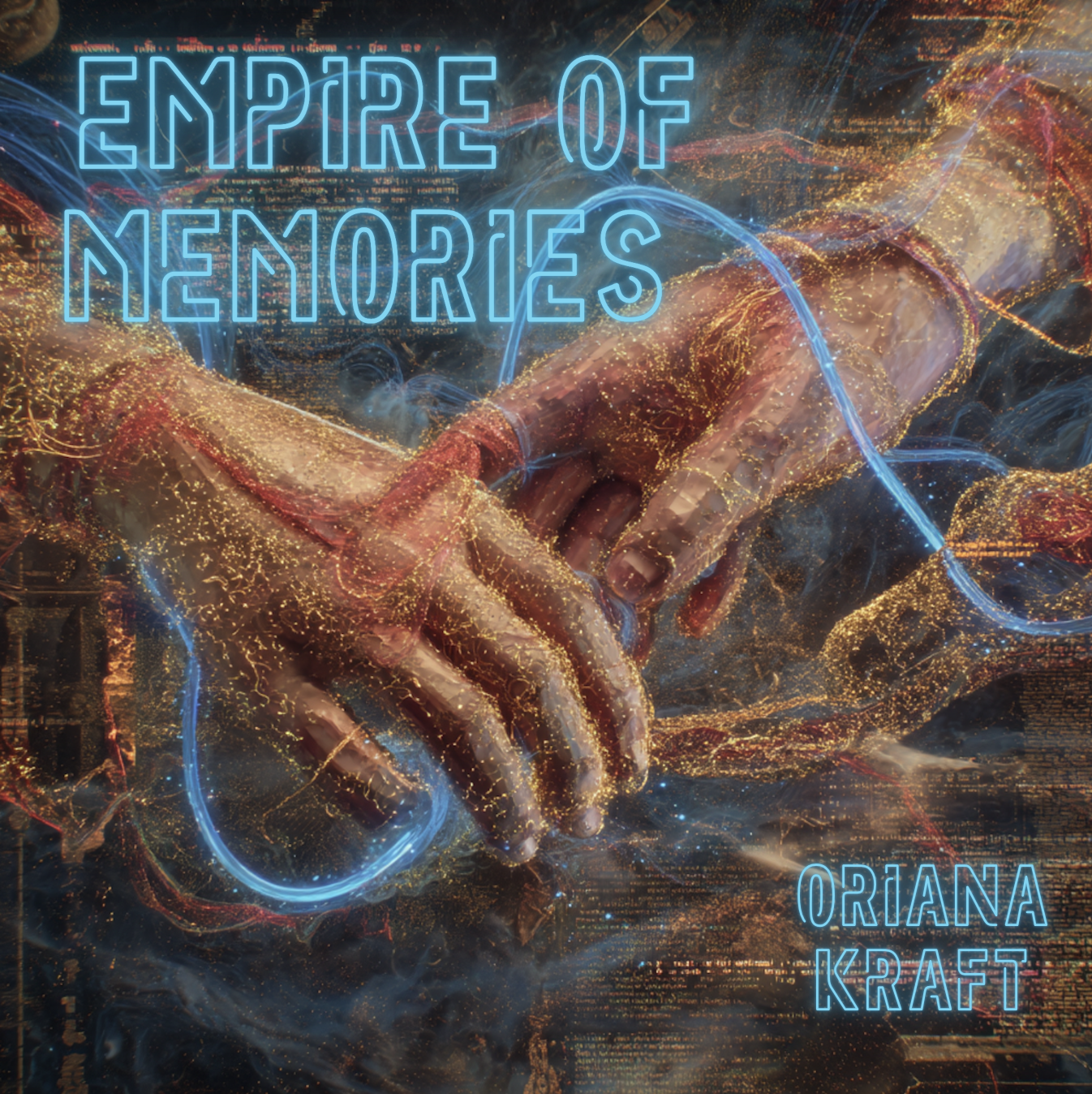
Empire of Memories
I didn't know I could summon memories. Didn't know anyone could. Certainly, didn't know I could coax them from people's marrow and make them bubble to the surface of people's skin like a bruise.
In Valens, a choice is never just a choice. It can scar the skin, hang above the city in a net of living threads, be inherited, patented, traded, outsourced, or used as proof. Love can be downloaded. Memories can be stolen. A person can lose pieces of themselves and still look almost whole.
Lucraezia Valens has never had to ask what belongs to her: a dead genius for a father, a terrifyingly elegant mother, a city built to obey her biology, and Thayer, the boy who stole her future and somehow became the only person who knows when she is soul lonely. Yara has crossed the sea from Xaemera with nothing but a message, a fury, and the stubborn belief that truth should not have to be negotiated. Jax is her brother. Or he was, before he became a memory thief, before other people's lives began crowding his mind, before he stole something powerful enough to make him useful, unforgivable, and maybe impossible to save.
When Jax arrives in Valens carrying memories that implicate everyone, all four are pulled into the same transaction: who owns the past, who gets to choose the future, and what remains of love when even the self can be stolen.
A whole world, built as software: interactive routes, a soundtrack, and character variants.
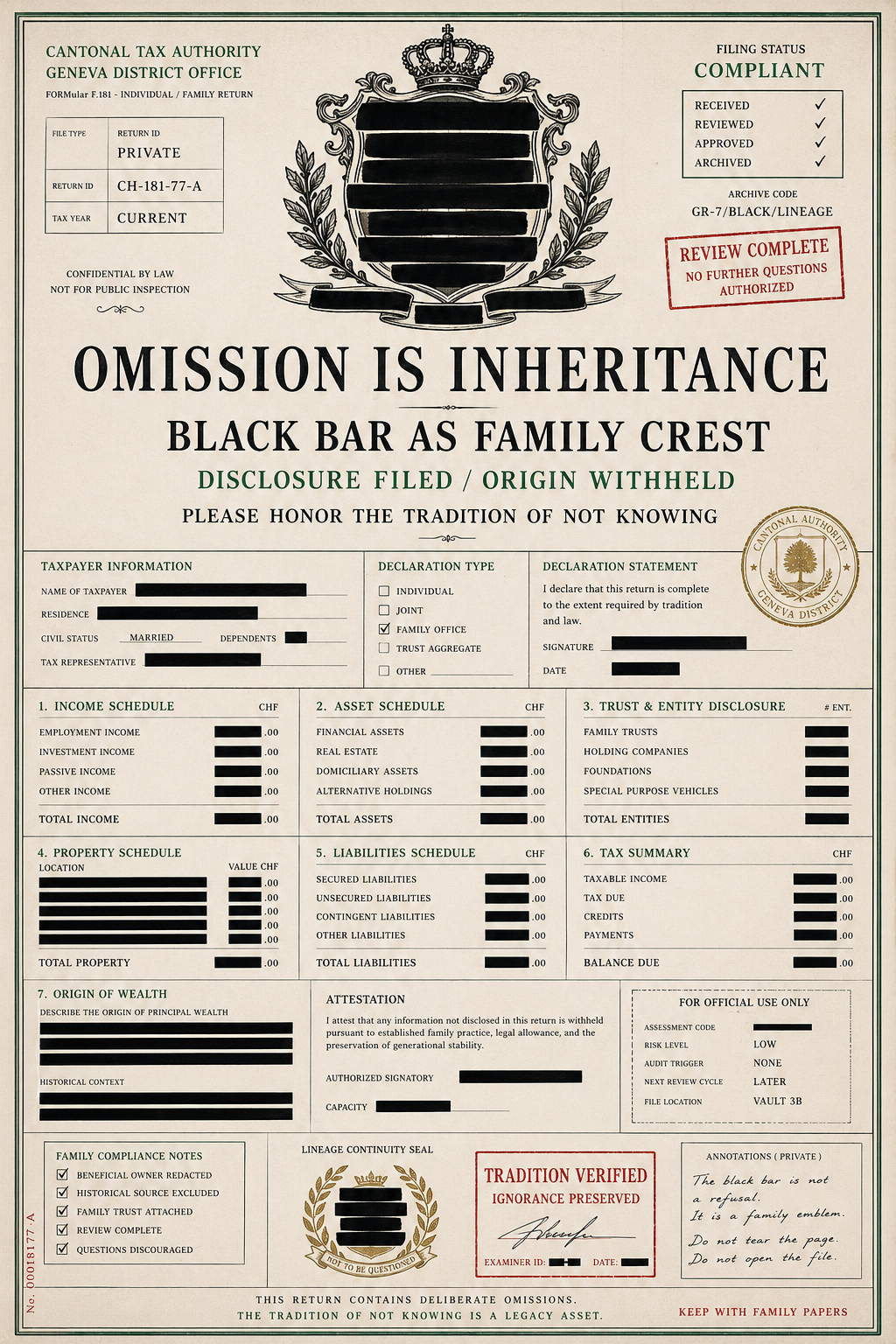
There exists a town on the border of France and Germany where lightning does not strike the town, it smites the people. Or so the townsfolk claimed. Otto Kraft did not believe them. He had no reason to. He believed only in what he could see, touch or, more importantly, eat.
Told across four generations, this saga follows a family's relentless pursuit of social status and financial prosperity, beginning with a cunning patriarch whose schemes bring about downfall and ostracism. The weight of inherited disgrace forces his eldest son to sacrifice his dreams, demonstrating how one generation's choices can irrevocably reshape the next. Set against Switzerland's neutrality during the World Wars and the Great Depression, the story vividly examines how these seismic historical events impact individual lives and family fortunes.
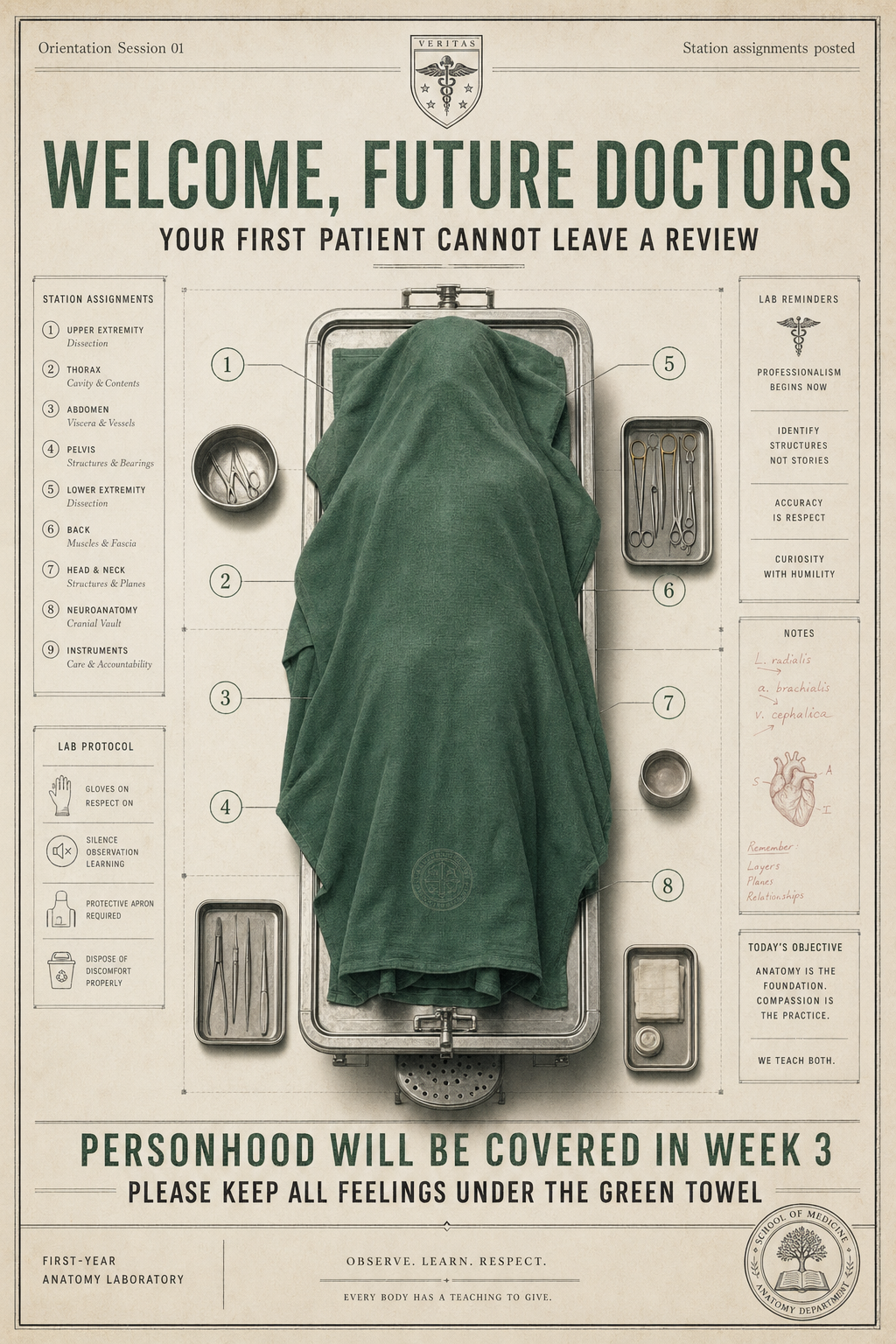
Persephone is dead, which is inconvenient, especially because her ex-boyfriend is standing over her body with a scalpel. In the Zurich anatomy lab, Cole hears sickness as music, Maeve sees damage as color, and Theo is pretending not to recognize the woman on the table. But Persephone's body is not finished speaking. Bruises, scars, lungs, liver, postcode, air: everything the living dismissed is still giving evidence.
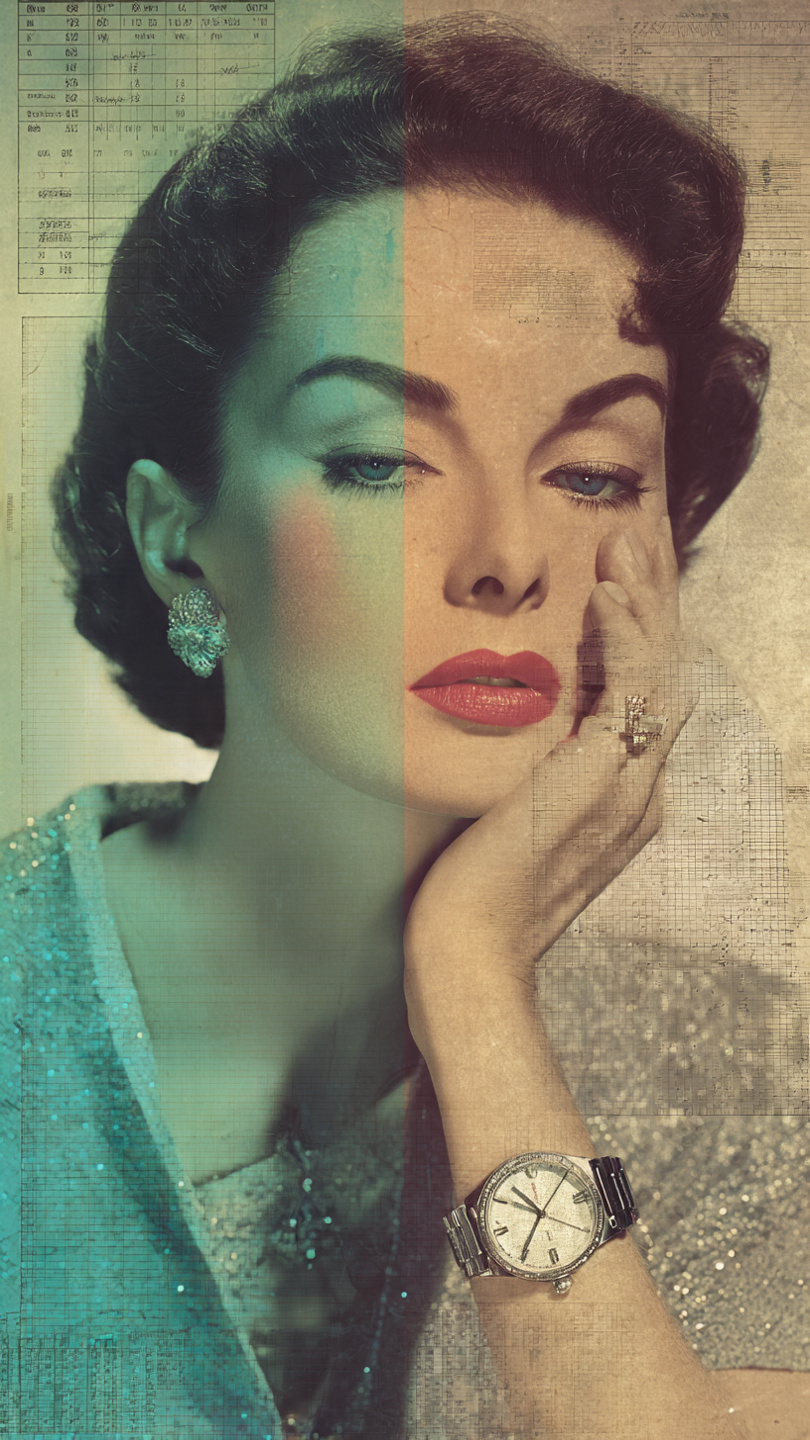
You are the first woman in your line who gets to be the subject of the sentence.
When Teo proposes, she does not hear one question. She hears all of them.
The ring. The name. The children. The deadline. The law. The unpaid labor. The ancient bargain hidden inside the word wife.
She loves him. That is what makes the question dangerous.
Across five generations, The Mother Of follows the women who made her possible: girls priced for marriage, wives trained into silence, mothers who survived by becoming useful, artists and daughters and brilliant women still asked to disappear into someone else's story.
Now she is building the technology that could end the biological clock as a threat. If she succeeds, women will no longer have to organize their lives around the fear of running out of time.
But if the old bargain dies, love has to become something else.
And she has to decide whether Teo is asking for her, or for the story women have always been asked to enter.
The ant prepared for winter. But the winter came as spring.
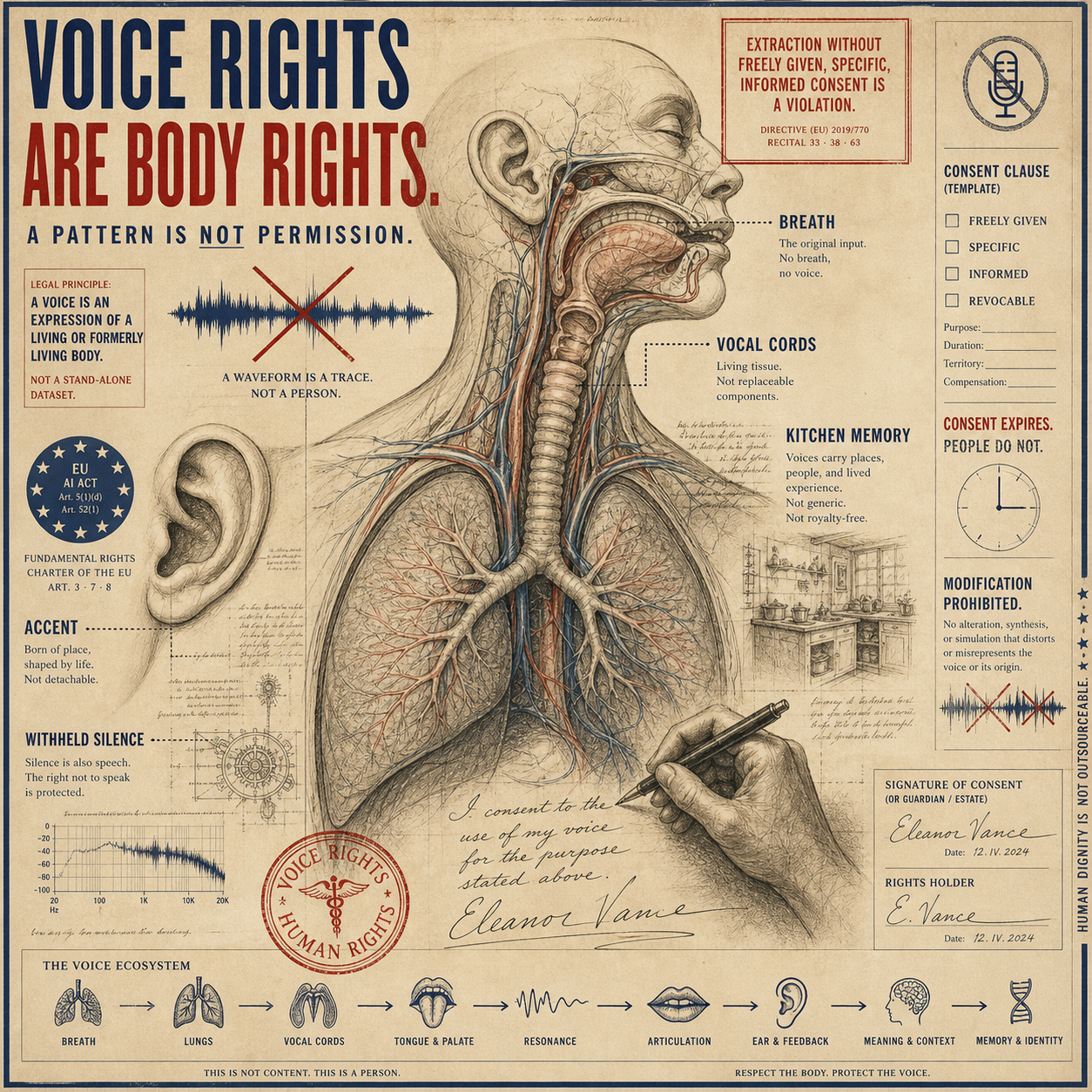
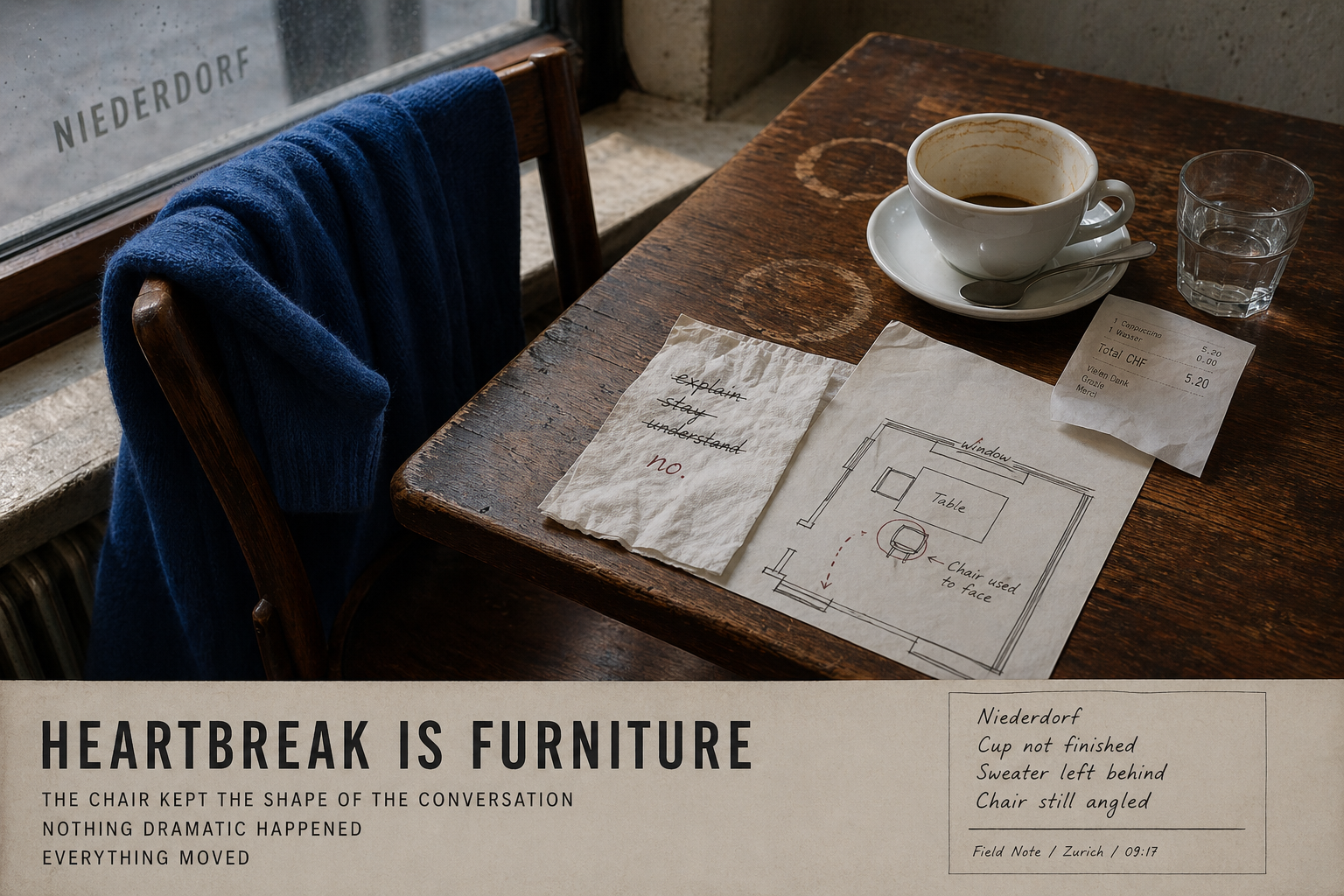
Lena has spent her life believing in systems that make grief legible. Then a case file lands on her desk: a son has built a synthetic companion from his living mother's voice, and his sister wants the machine stopped. The product says the right things. That is the problem. In a Zurich where the lake no longer freezes and good taste still pretends to be morality, Lena has seven days to decide whether love can be simulated, whether consent survives translation, and whether the future everyone prepared for was ever coming.
You sat across from me in that awful café on Illinois Street and you told me I was going to become someone you couldn't love. You told me I had stopped being an engineer and had become a mercenary.
Everyone they know is building the future. None of them is in charge of it.
In San Francisco, Paris, Lausanne, Amsterdam, and New York, five people work at the edge of it without running any of it: the models, the music, the cure, the climate, the vote. One generation, raised on the same myths, betting opposite ways on what a life is for.
They are answering the same question without admitting they share it. What should survive?
A novel about ambition and repair, intimacy and infrastructure, and the brutal distance between changing the world and caring for it.
Selected publications, institutions, stages, policy rooms, and press.
The work has moved through scientific, corporate, policy, and cultural rooms, from research and clinical practice to AI governance and the institutions that set the agenda for women's health.
 Portrait